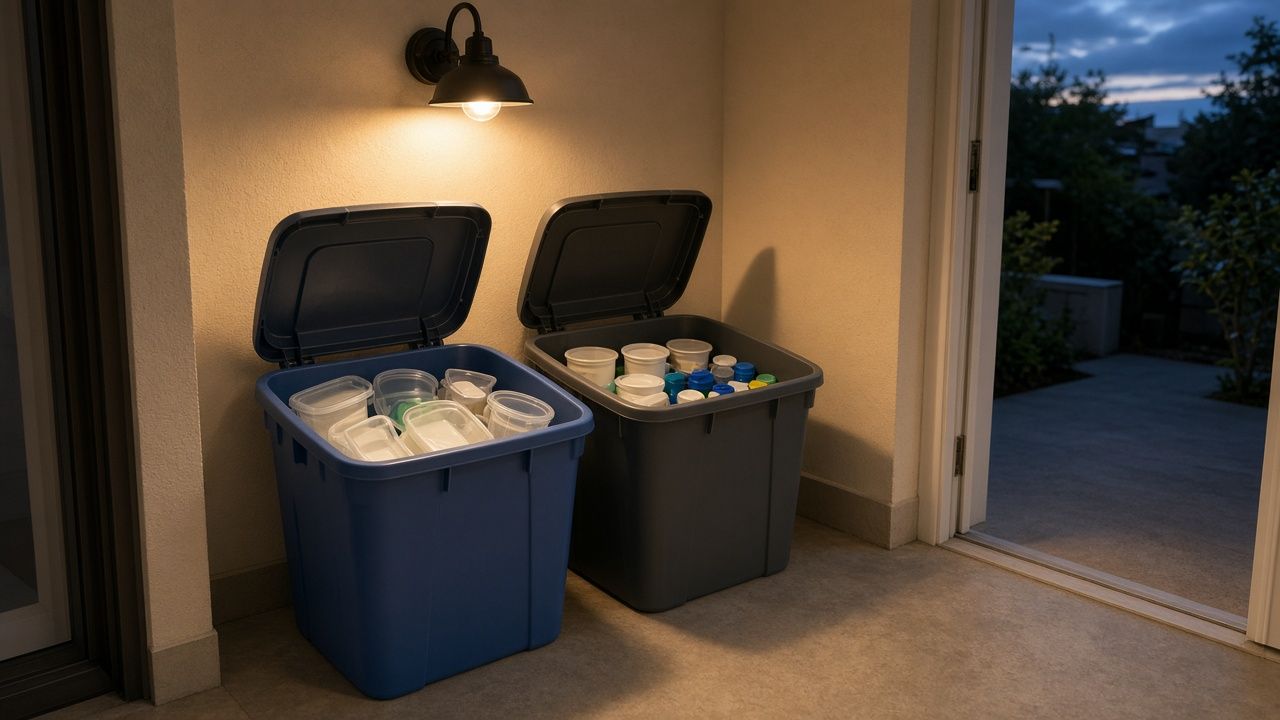
The plastic marked PP
Polypropylene, made simple
Look under a yoghurt pot, a takeaway tub or a bottle cap and you will often find a small triangle with the number 5 and the letters PP. Simpelpol PP explains what that plastic is, how to look after it and what to do with it when you are finished.
Read the PP mark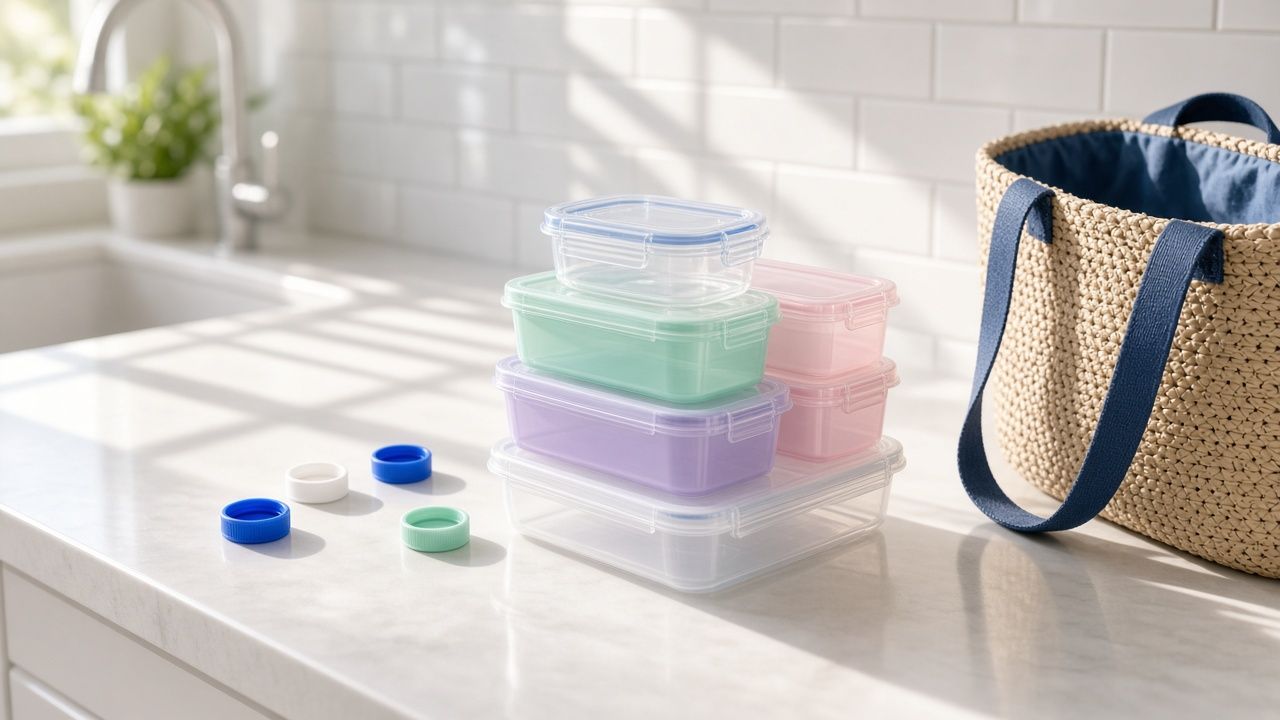
Seven numbers on the bottom of things
The triangle with a number is a resin identification code. It tells you what the plastic is made of, not whether your local scheme takes it. Tap a number.
PP
Polypropylene
Yoghurt pots, food tubs, bottle caps, straws, microwave trays, woven sacks and carpet fibres.
Light, stiff and heat tolerant. It floats in water, which helps recyclers separate it.
Where PP turns up at home
- KitchenFood tubs and lids, yoghurt and margarine pots, bottle caps, kettle bodies, cutting boards.
- BathroomFlip-top caps, cotton-bud sticks, toothbrush handles, shampoo closures, medicine cups.
- ShoppingWoven reusable bags, rice and flour sacks, packing tape and strapping.
- Living roomCarpet and rug fibres, storage boxes, garden chairs, toy parts.
- CarBumpers, battery cases, dashboard trim and door panels.
- WardrobeThermal base layers, nonwoven bag linings and some sportswear fabrics.
Reuse and care
Make a tub last for years
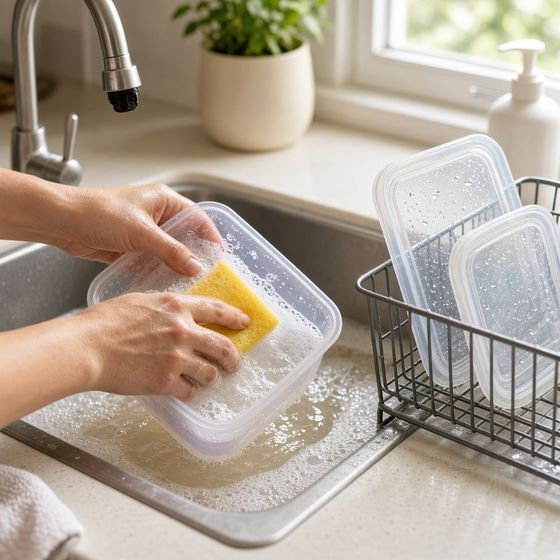
PP is tough and copes well with hot water, which is why so many reusable food boxes are made from it. A little care keeps lids snapping shut and stops tubs going cloudy or stained.
- Wash in warm soapy water or on the top rack of a dishwasher if the label allows.
- Tomato and curry stains fade in sunlight. Leave the clean tub on a sunny sill for a day.
- Store lids loose so seals keep their shape.
- Use the microwave only when the container is marked as safe for it, and vent the lid.
From pellet to pot
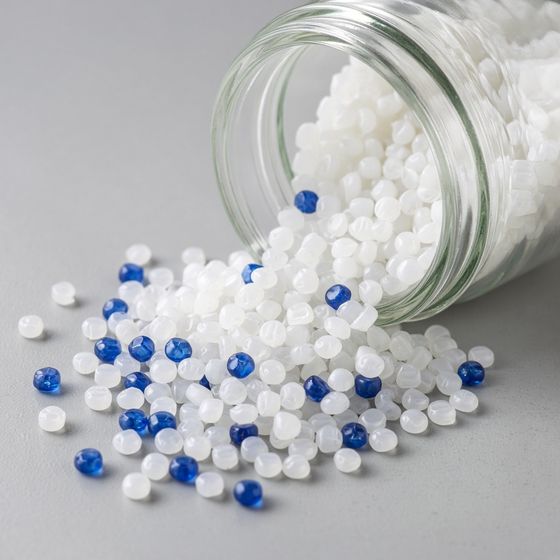
It starts as a bag of beads
- PolymerisePropylene gas is joined into long chains with the help of a catalyst.
- PelletThe polymer is melted, coloured if needed and chopped into small beads.
- ShapeFactories melt the beads again and mould, blow or spin them into products.
- ReturnCollected PP is washed, shredded and melted back into pellets called rPP.
Recycling PP
Empty, rinse, check, sort
More recycling schemes now take PP pots, tubs and trays, but not all of them do, and small items such as caps and straws often slip through sorting machines. Your council or local collector has the final word.
Collecting caps in a jar and keeping them on the bottle, where the scheme asks for that, helps them reach the right line.
Recycling PP guide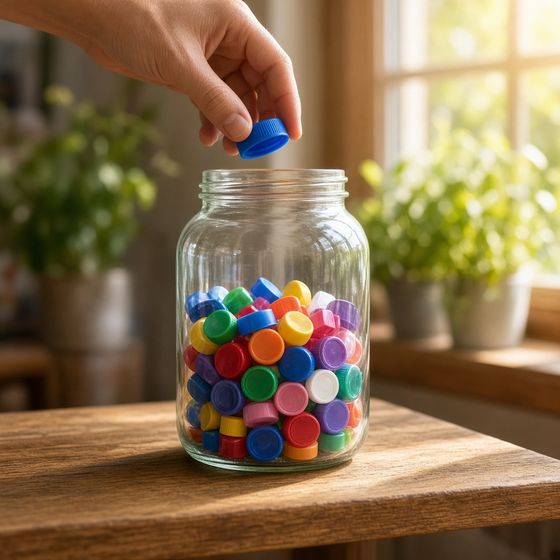
PP in four numbers
- 5
- its resin identification code, shown inside the chasing-arrows triangle
- 0.9
- grams per cubic centimetre, light enough to float on water
- ~160°C
- roughly where it starts to melt, higher than many everyday plastics
- 1954
- the year chemists first made the orderly form of PP used today
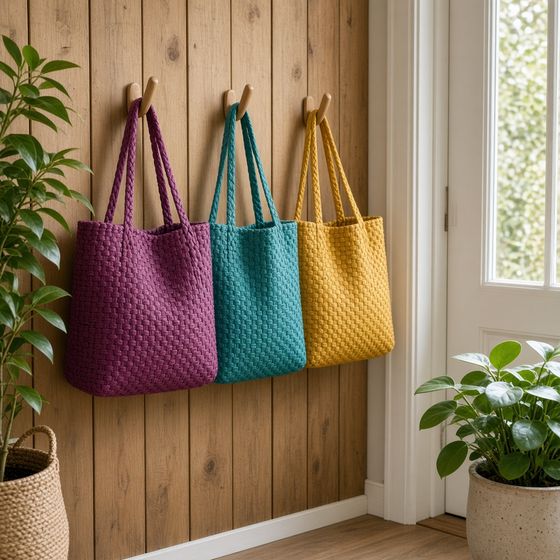
The bag by the door
Many sturdy reusable shopping bags are woven or nonwoven PP. They are worth keeping in use for as long as possible: the benefit of a reusable bag comes from using it many times.
When a bag finally tears, a simple patch or a few stitches often gives it another season.
Quick answers
Does a 5 in the triangle mean I can recycle it?
No. The code only says what the plastic is. Whether it is collected depends on your local scheme.
Is every PP container safe in the microwave?
Not automatically. Look for the microwave symbol or wording on the item and follow the maker's instructions.
Why do some tubs crack in the freezer?
Standard PP becomes more brittle in deep cold. Containers designed for freezing use grades that stay tougher at low temperatures.
Do you sell plastic products?
No. Simpelpol PP is a reading guide. It does not make, sell or recommend particular brands.